

The Lay Of The Land
West of Sixth Avenue and below 14th Street, the Manhattan grid quietly comes apart. Streets that behave themselves uptown, numbered and parallel and predictable, start to curve and cross at odd angles, so that West 4th somehow meets West 10th and newcomers learn to navigate by landmark rather than coordinate. The blocks are short, low, and lined with London plane trees, and the scale almost never rises above six stories. It is among the most photographed residential quarters in the country, and on a quiet morning it earns it.
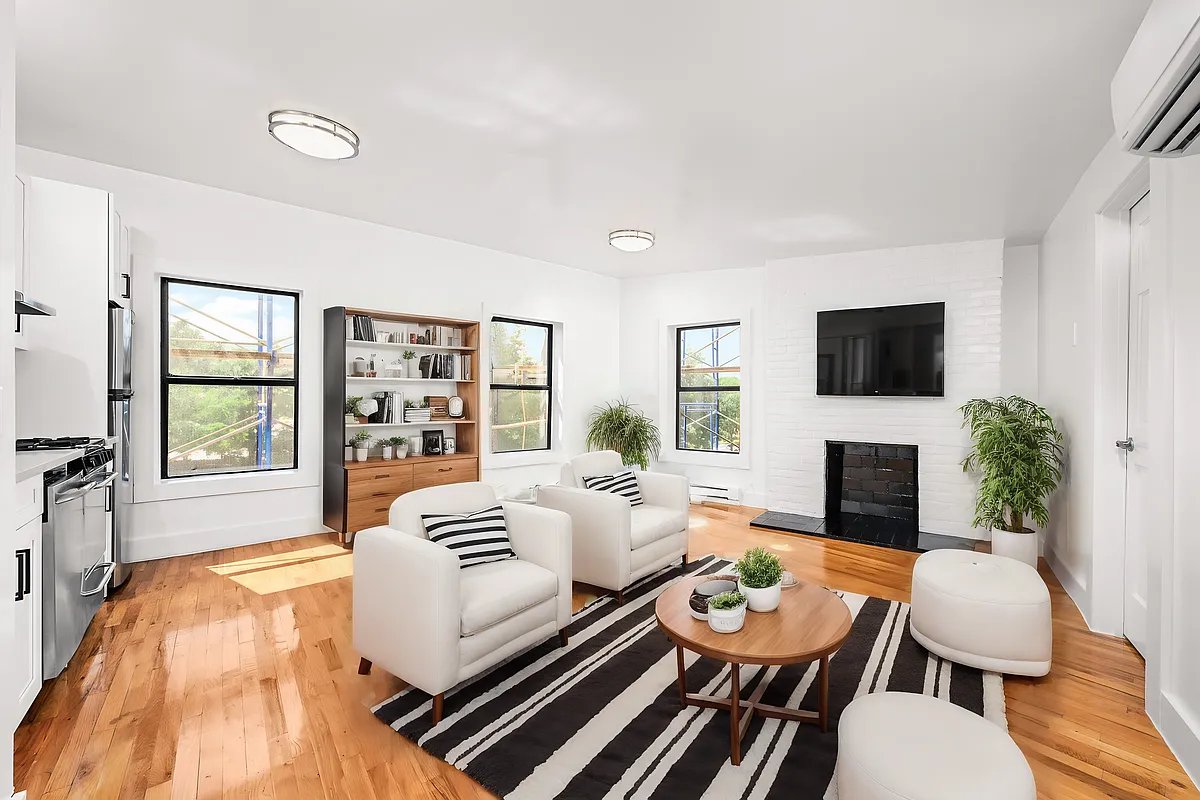
The housing stock is overwhelmingly prewar: Federal-era rowhouses, Greek Revival brownstones, and tenement-era walk-ups that have been combined, carved up, and renovated through a century of owners. Expect smaller footprints than the rents suggest; a one-bedroom here is bought as much for the bones as the space, with original moldings, parquet, exposed brick, and the occasional working fireplace. New development is rare and tightly regulated by the historic district, so most of what comes to market is a renovated floor-through, a co-op in a converted carriage house, or a unit in one of the discreet doorman buildings near the river.
Transit is unusually deep for such a small area. The 1, 2, and 3 run under Seventh Avenue; the A, C, and E cut across at 14th Street and West 4th; and the B, D, F, and M put much of the IND within a few blocks, making West 4th–Washington Square one of the better-connected stations in Lower Manhattan. Most residents walk first and take the train second.
The western edge opens onto the Hudson River Park, a continuous ribbon of lawn, piers, and bike path that has become the neighborhood's backyard. Inland, the texture is restaurants the size of living rooms, ground-floor shops in former stables, and Washington Square Park anchoring the eastern boundary. Nightlife exists but stays low and conversational rather than loud.
The West Village suits someone who reads an apartment as a place to live for years rather than a launchpad, someone who will pay a premium for quiet, walkability, and architecture, and who values a short commute and a tree outside the window over a second bathroom. It rewards staying put.
Market Pulse
What renting in West Village looks like right now, from listings active on Sidewalk.
- Studio$4,800/mo
- 1 BR$5,998/mo
- 2 BR$6,598/mo
- 3+ BR$8,745/mo
- Hollow: fewer than 5 listings that month
Asking rents among listings active on Sidewalk, updated September 27.
Nearby restaurants
A taste of where to eat around West Village.
- 0.1 mi away
- 0.1 mi away
- 0.2 mi away
- 0.3 mi away
- 0.4 mi away
- 0.5 mi away
Buildings In West Village
40 total- 222 West 10th Street
- 564 Hudson Street
- 50 Horatio Street
- 17 Gay Street
- 290 West 12th Street
- 395 West Street
- 235 West 12th Street
- 115 Perry Street
- 32 Cornelia Street
- 48 Bedford Street
- 130 West 10th Street
- 90 Bank Street
- 234 W 14TH ST.
- 53 Leroy St
- 273 W 10th St
- 566 Hudson St
- 232 West 14th Street
- 562 Hudson St
- 560 Hudson Street
- 51 Leroy Street
- 160 Waverly Place
- 141 West 10th Street
- 95 Christopher St
- 52 Barrow St
- 95 Perry Street
- 117 W 13th St
- 120 Christopher Street
- 37 Cornelia St
- 102 Christopher Street
- 117 Perry Street
- 58 Leroy Street
- 199 West 10th Street
- 7 Carmine St
- 2 Bank Street
- 1 Jane St
- 59 Barrow Street
- 702 Greenwich Street
- 551 Hudson Street
- 322 West 11th Street
- 107 Christopher Street
Live Listings In West Village
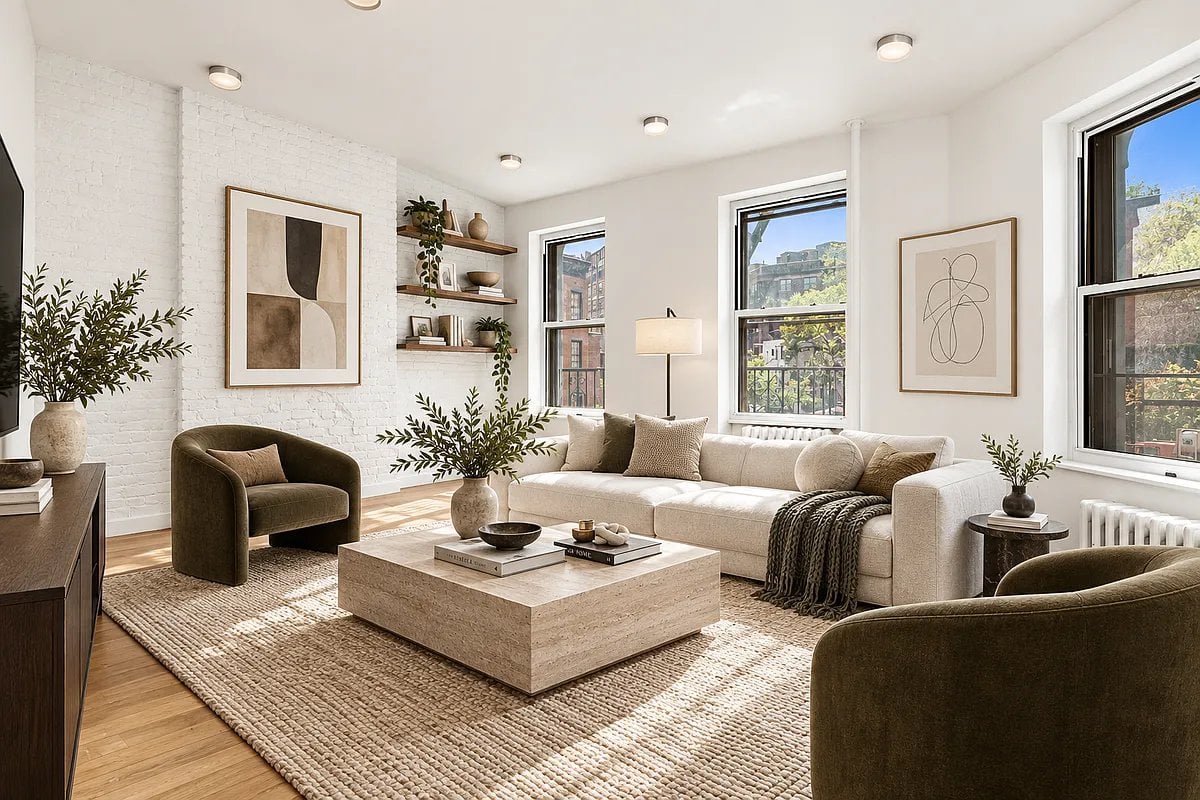 48 Bedford Street · 4A1.0 bed · 1.0 bath$6,595/mo
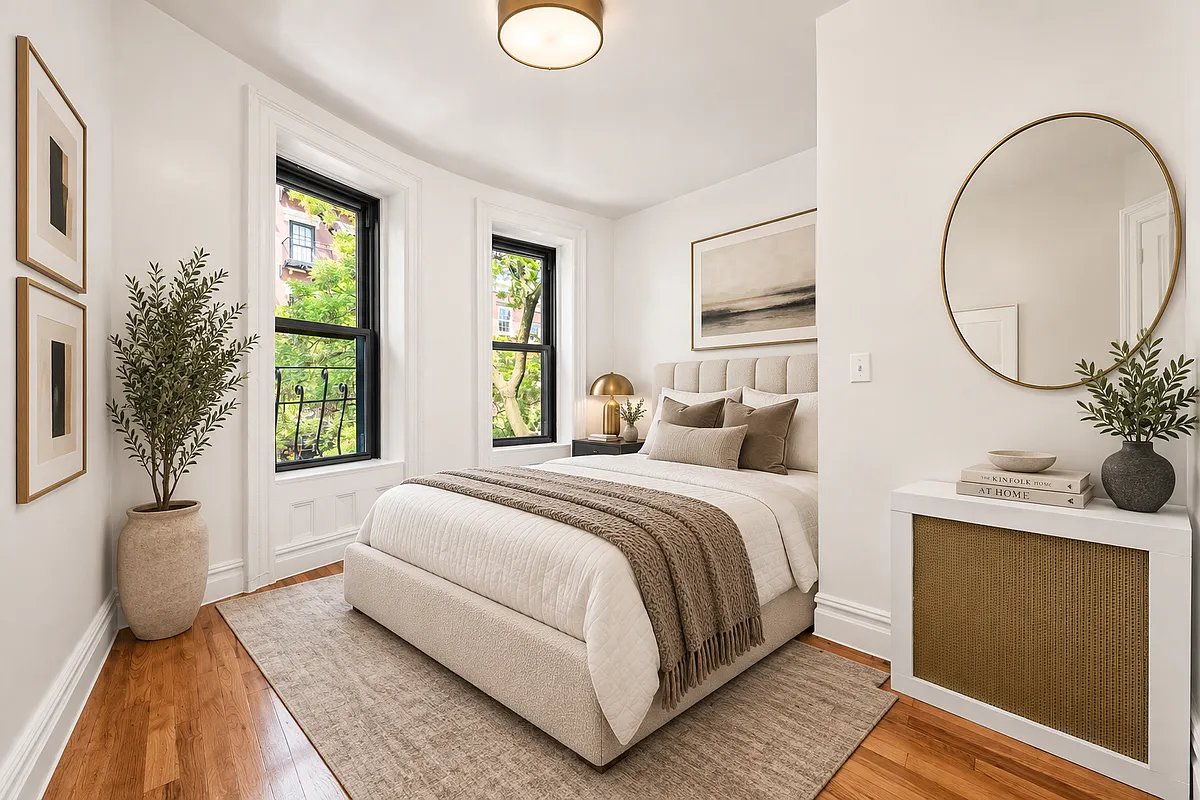 322 West 11th Street · 173.0 bed · 1.0 bath$7,200/mo
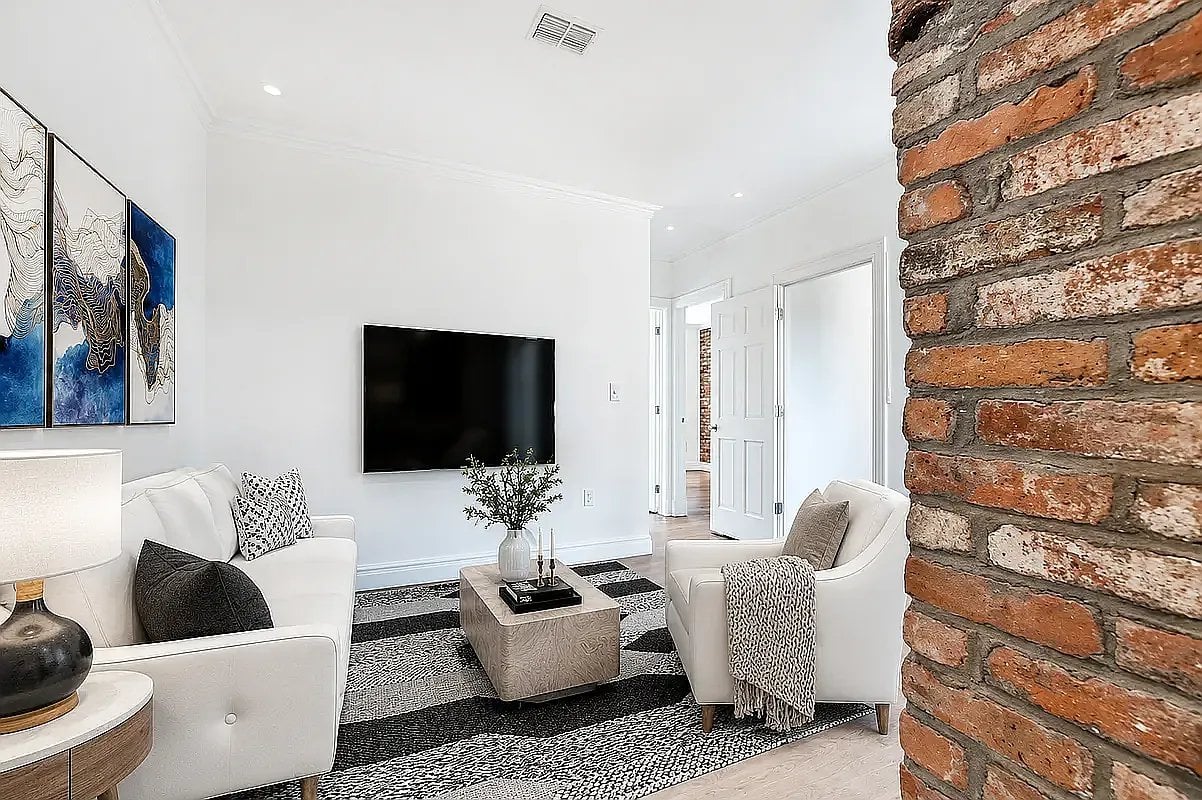 107 Christopher Street · 163.0 bed · 1.0 bath$8,195/mo
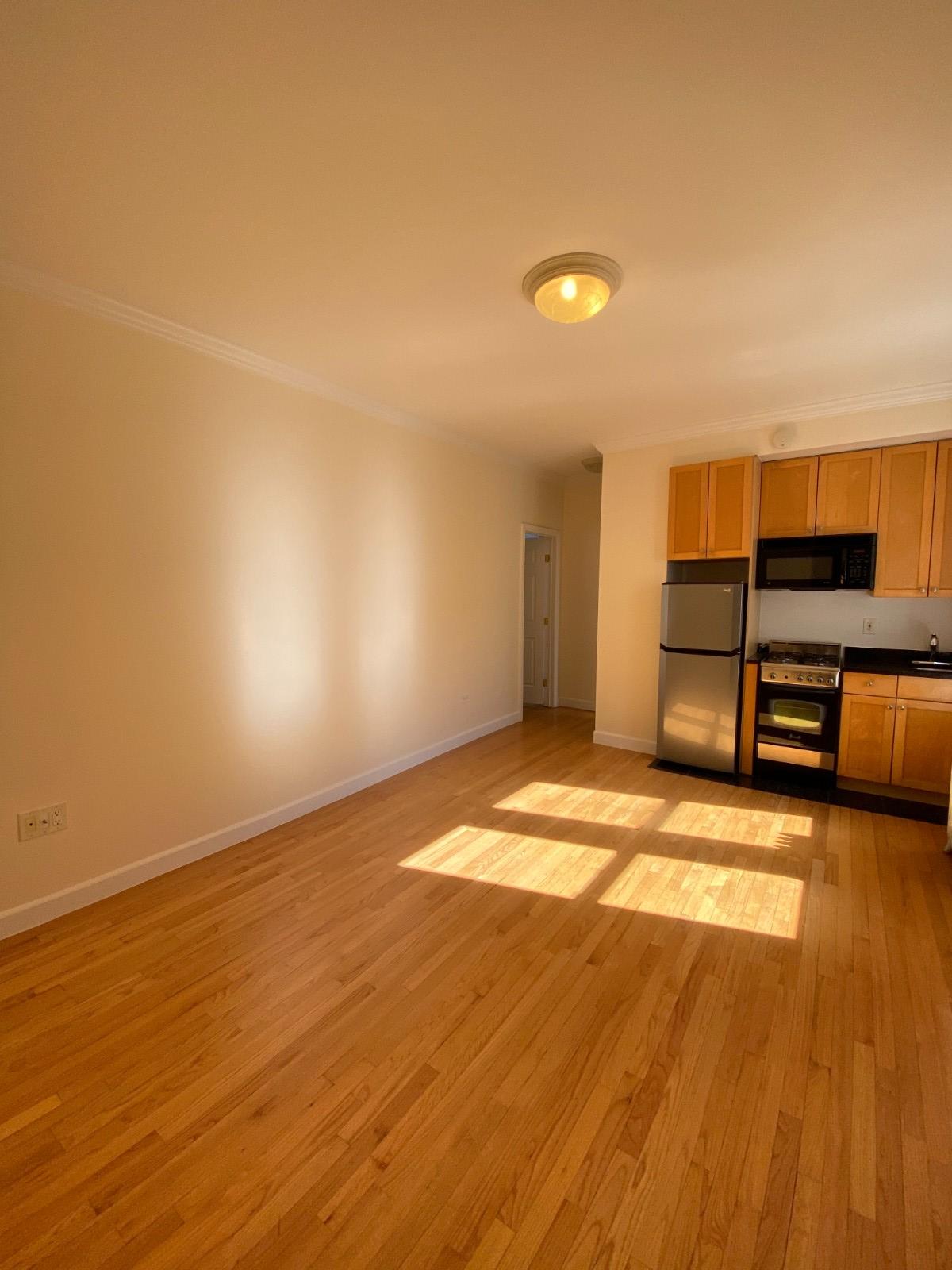 117 W 13th St · 481.0 bed · 1.0 bath$5,500/mo
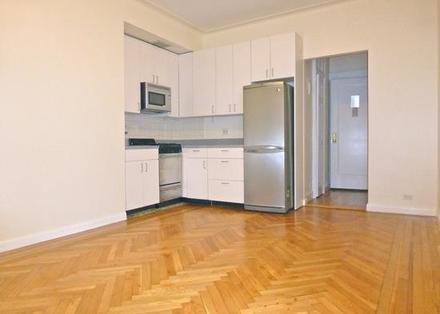 117 W 13th St · 201.0 bed · 1.0 bath$5,500/mo
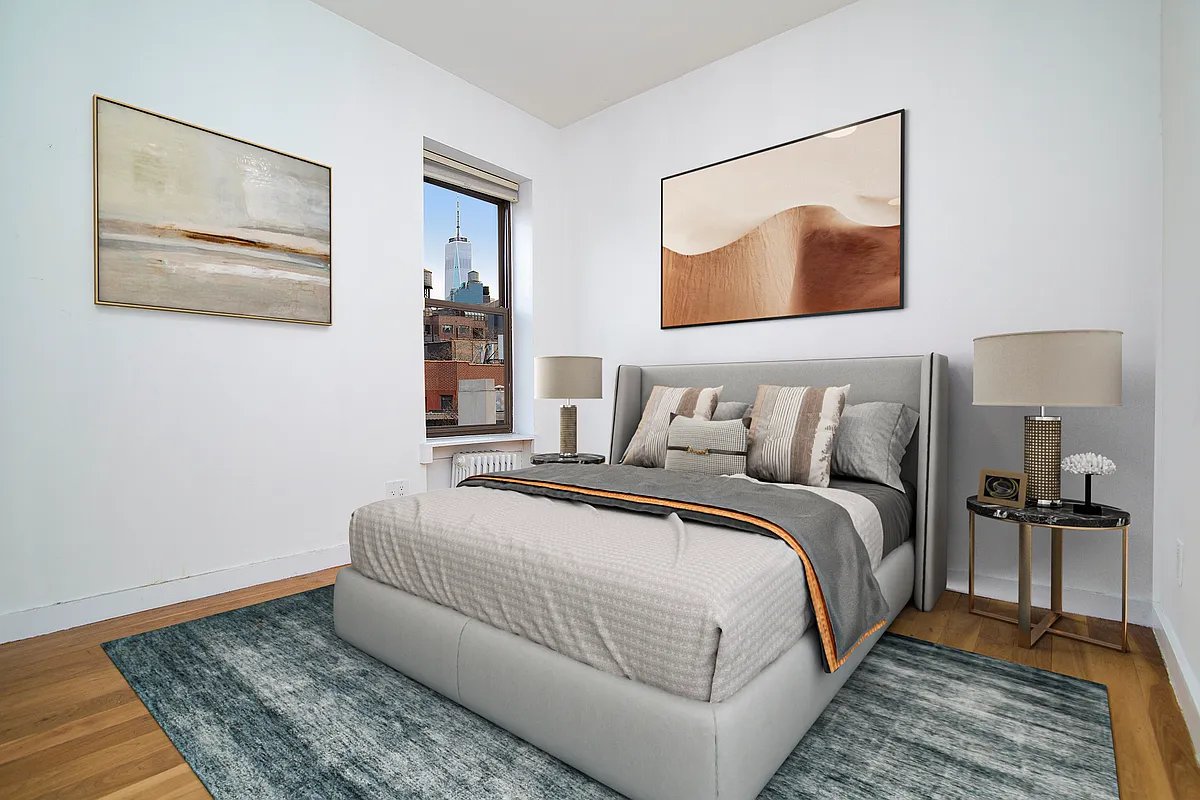 48 Bedford Street · 3A2.0 bed · 1.0 bath$6,595/mo
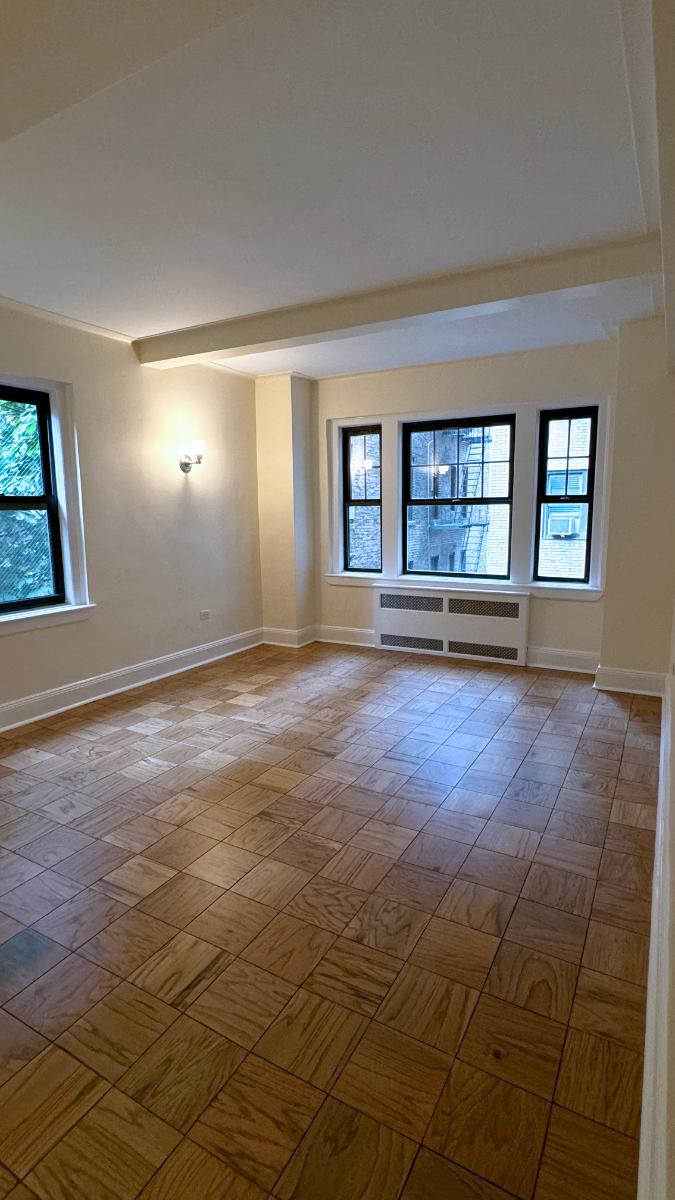 95 Christopher St · 1E1.0 bed · 1.0 bath$6,550/mo
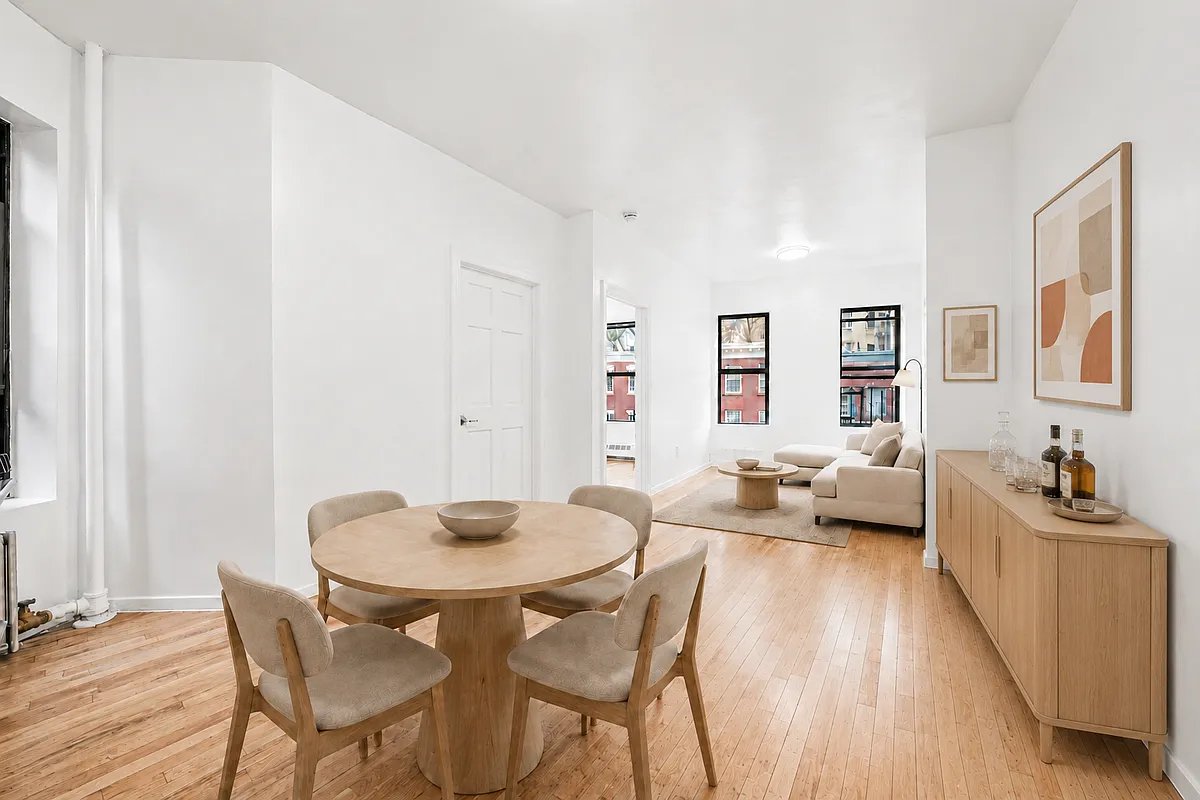 235 West 12th Street · 42.0 bed · 1.0 bath$6,600/mo
 395 West Street · 32.0 bed · 1.0 bath$7,600/mo